
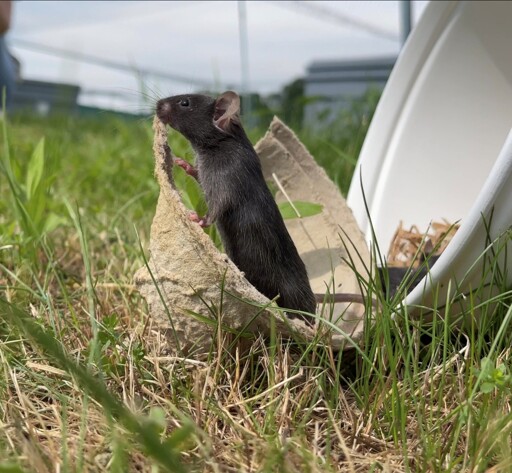
Each time Matthew Zipple, a behavioral ecologist at Cornell University, releases a mouse that was born and raised in a laboratory into the green expanse of a field, he is amazed. He transports the mouse in a paper cup, lays the cup on its side in the grass, and takes off the lid. “When the…
Archived: https://archive.is/AXYs8
Very interesting, especially the part about agency. I lived in a country that was very repressed, that the vast majority of the population felt there was nothing they could do to change their plight. It affected their mindset and culture in profound ways.
“This product tested on free range mice.”
Biomedical research needs to re evaluate mouse models. We have generations of mouse model researchers who will justify their use for everything, ignoring almost no translation to humans.
Because it’s “harder” testing on other animals and going up the ladder without successful tests with mice, though in some cases in my experience, it is mostly for bureaucratic reasons…
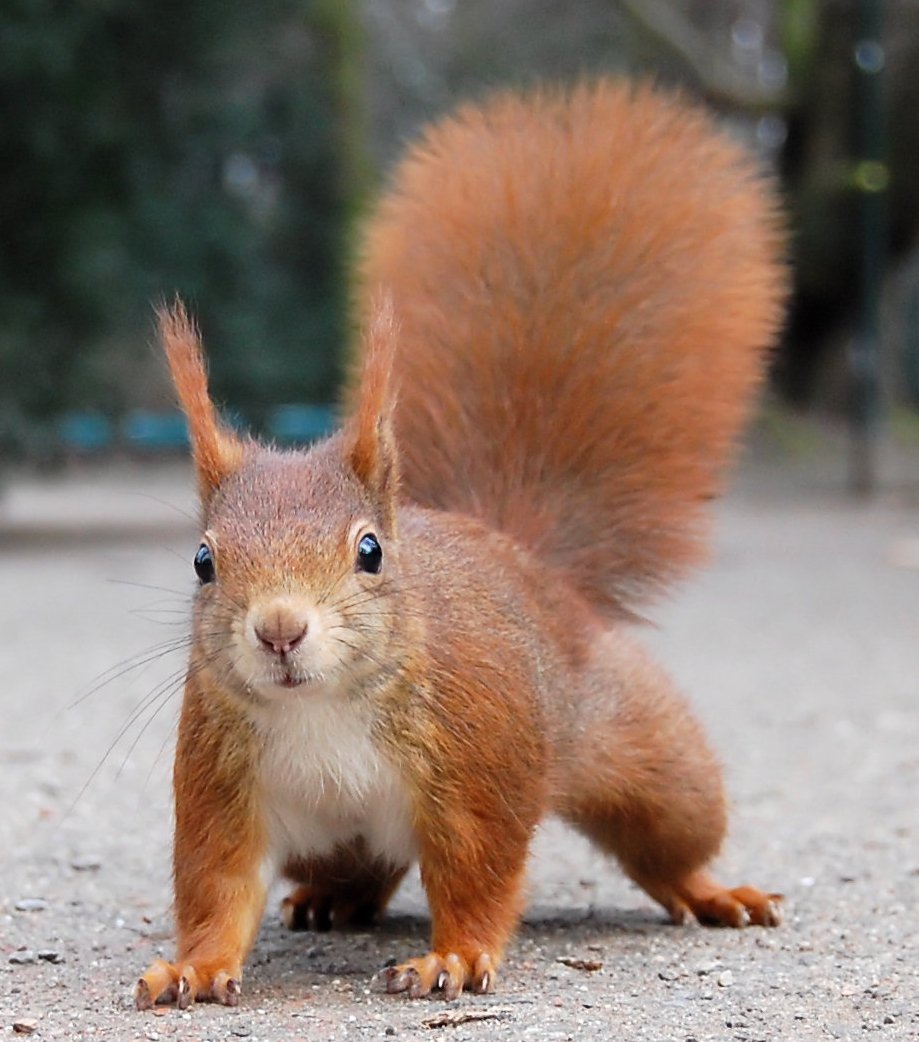
@squirrel
Hmmm. Having run mice on the elevated plus maze, I wouldn’t call avoidance of the open arms “fear”. To me it looks like the mice check out the open arms, find nothing of interest, and then spend their time in the less risky more comfy arms. So the mice with field experience would have experience of things changing, and might decide to check out the open arms again, just in case.


