

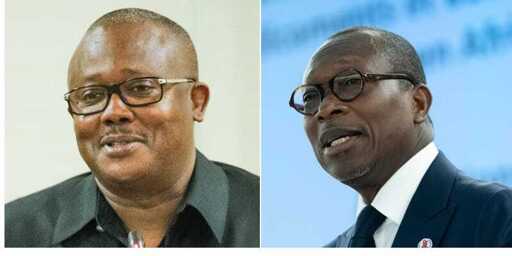
A recent coup in Guinea-Bissau that ousted President Umaro Sissoco Embaló – and an attempted coup in Benin against President Patrice Talon – raise questions about the increasing frequency of military coup attempts in Africa, and in the Sahel region in particular.
Since 2020, coups and coup attempts have become more common. This suggests that coup leaders are learning and building on previous attempts. What distinguishes the recent military interventions in Benin and Guinea-Bissau, however, is the role of democracy. Coup leaders are responding to democratic disappointments and intervening in democratic processes.
What stands out in this phase of military rule in Africa is the role of elections. Many of the countries experiencing coup attempts in the last two years saw these moves either in the wake of elections, delivering the promise to hold elections.
For example, a 2023 coup in Gabon led to elections in September and October 2025, the first such polls in 50 years. Mali’s military leadership held a 2023 constitutional referendum, a crucial step on the path back to civilian leadership after back-to-back coups in 2020.
Coups across the region have been correlated with widespread disappointment in elected civilian leadership, but coup leaders also specifically talk about democracy as the end goal. These types of military intervention are what scholar Nancy Bermeo calls “promissory coups”: Coup leaders frame military takeovers as a defense of democracy.