Yes. They can pay to build their own sources of power of their own choosing. Or put more resources into doing data centers more efficiently, their choice.
Make the data centers build their own power plants. Then they get all the risk and all the reward.
Make them put the power plant right next to the data center, that way they’re not stressing out the rest of the grid. And that way the exact same community that gets the benefits of hosting the data center also gets the environmental costs of the power plant.
Just because they’re a data center doesn’t mean they’re suddenly immune to the regulations and processes a utility has to go through to build a generator.
That’s the thing, they only have any interest in “innovative new uses for AI”, they aren’t interested in delivering power, so they’re going to do a shitty job of it, they’re going to make a mess that we’ll all be left with.
Additionally, if they connect their power to the grid at all, then they need to work seamlessly or the entire grid is at risk. Again, the aspect of their business they don’t care about at all has to work seamlessly…
Don’t get me started on nuclear, just no. They don’t get to play with isotopes.
The risks here are huge, the potential consequences are disastrous to both the economy and the environment. And the potential rewards are what? Lining the pockets of AI grifters? Pushing expensive technology that nobody wants?
It’s actually not as simple as that, assuming they’re connected to the grid. Power transmission is costly too, which needs to be accounted for, not just the power consumption/generation. Them being off-grid also isn’t really reasonable because they’d need a lot of redundant power sources and backups, which would be better as part of the grid.
They should still be paying for all this, but estimating the real cost is non-trivial.
I find the different ways places answer this question really interesting. By this, I mean the systems we’ve had in place, the committees and applications and rules, for power providing the whole time.
It is interesting because power is a privately owned monopoly that we regulate to the extreme; so we get all sorts of weird relationships and arrangements. Now we see them all getting stress tested.
When unemployment is low in the construction sector, we can’t have them pay. When they pay, they’ll outbid us for workers who were previously building homes and public infrastructure. We’d either have to outbid cloud for these workers, or we’d pay by having higher housing prices and crumbling infrastructure, which incurs other social costs. Real resources are finite. The only way for us to not pay is for them to not build the power plants and datacenters. In a truly democratic system we’d be able to say no. In this system, capital outvotes us.
E: I’m not arguing that the corpos shouldn’t pay. They should. I’m arguing the economic effect doesn’t stop with that payment and we’re still fucked.
Yes and my point is that even if the corpo pays, which it absolutely should, that’s not the end of the economic effect when that resource is used to the limit at the moment. We will end up paying too.
The demand for construction workers? If so, it could, if there’s enough unemployment. Otherwise workers from some other industry would have to shift to construction. Creating a shortage in that industry. Switching industries is a more difficult process than getting an unemployed worker to work in construction though. But if there’s already a labour shortage in the construction industry, then that answers the question. There isn’t enough unemployment or shifting from other industries to fill the demand. And there seems to be one.
If there’s underemployment in construction or higher unemployment, then yeah, the construction labour market would likely expand without much effect in housing and infrastructure.


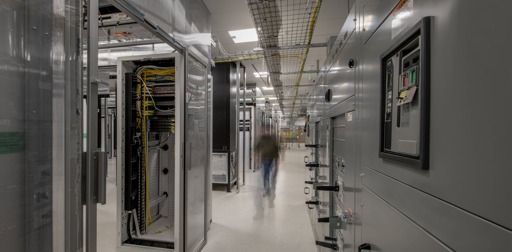
I just don’t understand why this is a difficult question. Make the data centers fund their own power needs. End of story.
Yes. They can pay to build their own sources of power of their own choosing. Or put more resources into doing data centers more efficiently, their choice.
Make the data centers build their own power plants. Then they get all the risk and all the reward.
Make them put the power plant right next to the data center, that way they’re not stressing out the rest of the grid. And that way the exact same community that gets the benefits of hosting the data center also gets the environmental costs of the power plant.
In theory it’s great. In practice it’s “oops we had a big spill and went out of business, guess the EPA will have to use taxpayer money”.
Just because they’re a data center doesn’t mean they’re suddenly immune to the regulations and processes a utility has to go through to build a generator.
Musk is running filthy methane generators in Memphis to power his datacenter. No permits, nada.
That’s the thing, they only have any interest in “innovative new uses for AI”, they aren’t interested in delivering power, so they’re going to do a shitty job of it, they’re going to make a mess that we’ll all be left with.
Additionally, if they connect their power to the grid at all, then they need to work seamlessly or the entire grid is at risk. Again, the aspect of their business they don’t care about at all has to work seamlessly…
Don’t get me started on nuclear, just no. They don’t get to play with isotopes.
The risks here are huge, the potential consequences are disastrous to both the economy and the environment. And the potential rewards are what? Lining the pockets of AI grifters? Pushing expensive technology that nobody wants?
It’s actually not as simple as that, assuming they’re connected to the grid. Power transmission is costly too, which needs to be accounted for, not just the power consumption/generation. Them being off-grid also isn’t really reasonable because they’d need a lot of redundant power sources and backups, which would be better as part of the grid.
They should still be paying for all this, but estimating the real cost is non-trivial.
I find the different ways places answer this question really interesting. By this, I mean the systems we’ve had in place, the committees and applications and rules, for power providing the whole time.
It is interesting because power is a privately owned monopoly that we regulate to the extreme; so we get all sorts of weird relationships and arrangements. Now we see them all getting stress tested.
Well put.
When unemployment is low in the construction sector, we can’t have them pay. When they pay, they’ll outbid us for workers who were previously building homes and public infrastructure. We’d either have to outbid cloud for these workers, or we’d pay by having higher housing prices and crumbling infrastructure, which incurs other social costs. Real resources are finite. The only way for us to not pay is for them to not build the power plants and datacenters. In a truly democratic system we’d be able to say no. In this system, capital outvotes us.
E: I’m not arguing that the corpos shouldn’t pay. They should. I’m arguing the economic effect doesn’t stop with that payment and we’re still fucked.
The resources are finite whether the taxpayers pay for the construction or the corporation that needs the electric upgrade pays.
Yes and my point is that even if the corpo pays, which it absolutely should, that’s not the end of the economic effect when that resource is used to the limit at the moment. We will end up paying too.
Wouldn’t the market just expand to absorb the extra demand?
The demand for construction workers? If so, it could, if there’s enough unemployment. Otherwise workers from some other industry would have to shift to construction. Creating a shortage in that industry. Switching industries is a more difficult process than getting an unemployed worker to work in construction though. But if there’s already a labour shortage in the construction industry, then that answers the question. There isn’t enough unemployment or shifting from other industries to fill the demand. And there seems to be one.
If there’s underemployment in construction or higher unemployment, then yeah, the construction labour market would likely expand without much effect in housing and infrastructure.
Then they will build coal plants.
Mandate renewable energy and van open loop water cooling. Can’t afford it? You don’t need a datacenter then
This is where requirements as part of the data center zoning and purchase agreements comes in.
Agreed.