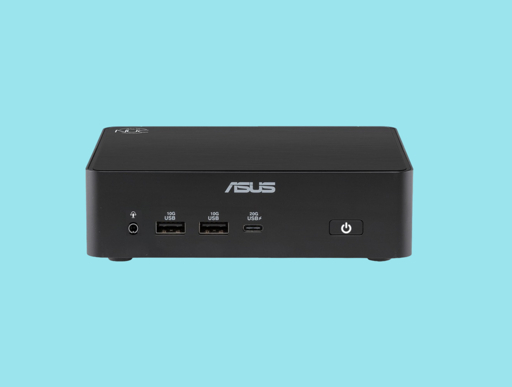
Dell and Asus have announced new mini PCs intended for use with Windows 365. These systems will not power themselves, but will simply allow users to operate Windows running in the cloud.
I don’t know, I don’t share your pessimism. In my personal experience, most hardware isn’t unhackable. Apart from iPhone / iPad (where hardware and software are non-standard, and also made by the same vendor) I struggle to find any examples.
I have installed Linux many times on Chromebooks, where there is some BIOS module that checks for OS “authenticity”, but that can be disabled. I have flashed ROMs on android devices many times too. It’s sometimes a bit inconvenient, but nothing remotely close to impossible.
That BIOS feature can be disabled… now. But there’s nothing keeping a manufacturer from just not providing that functionality, and requiring only signed firmware updates. Now the machine is more or less locked down.
The fact it can be disabled now is a convenience feature based on historical availability, but that’s absolutely no guarantee it will continue to be there in the future.


I don’t know, I don’t share your pessimism. In my personal experience, most hardware isn’t unhackable. Apart from iPhone / iPad (where hardware and software are non-standard, and also made by the same vendor) I struggle to find any examples.
I have installed Linux many times on Chromebooks, where there is some BIOS module that checks for OS “authenticity”, but that can be disabled. I have flashed ROMs on android devices many times too. It’s sometimes a bit inconvenient, but nothing remotely close to impossible.
That BIOS feature can be disabled… now. But there’s nothing keeping a manufacturer from just not providing that functionality, and requiring only signed firmware updates. Now the machine is more or less locked down.
The fact it can be disabled now is a convenience feature based on historical availability, but that’s absolutely no guarantee it will continue to be there in the future.