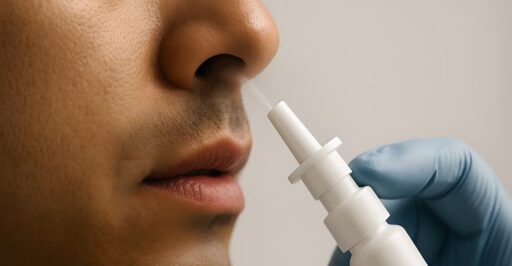
Stanford Medicine researchers and their colleagues invented a new vaccine that protects mice from respiratory viruses, bacteria and allergens — the closest yet to a universal vaccine.
Is it accurate to understand this as putting the lungs’ immune response into a heightened state of response/alert? It doesn’t sound like it’s training the immune system about specific pathogens (or families of them). If that’s true, why doesn’t the body just do this already — is there a cost associated?
Active macrophages can damage healthy cells. It’s a very serious condition when they do, and it can lead to runaway cellular death. It doesn’t mean that this treatment will cause MAS, but it’s a risk that should be investigated with human trials.
It also has a metabolic cost, in that the active cells consume energy and oxygen, but I don’t know if it would be a noticeable effect for the average person.
My guess is that this would be something you use when you are at increased risk for cold and flu. Like nurses and doctors, teachers and childcare workers, and nursing home staff during the fall and winter.
I refuse to get flu shots simply because I’d rather feel like shit and sit at home for a few days than go to work.
But I still get paid for those days, people in less developed countries don’t, so have only the option to work while sick or get the jab and work. Or starve.
I was hesitant to get the vaccine when I was just making a personal tradeoff. Seeing the whole “flatten the curve” catastrophe of COVID, and the resurgence of measles now, I think the major benefit is herd immunity / protecting vulnerable individuals.


Is it accurate to understand this as putting the lungs’ immune response into a heightened state of response/alert? It doesn’t sound like it’s training the immune system about specific pathogens (or families of them). If that’s true, why doesn’t the body just do this already — is there a cost associated?
Autoimmune diseases are most often caused by an overactive immune system. I don’t expect this development to go well for most people in the long term.
I was thinking the same thing. There probably is a downside to having the innate immune system active 24/7, even if we don’t know what it is yet.
A magical nasal spray that gets rid of allergies for 3 months sure does sound nice though.
Active macrophages can damage healthy cells. It’s a very serious condition when they do, and it can lead to runaway cellular death. It doesn’t mean that this treatment will cause MAS, but it’s a risk that should be investigated with human trials.
It also has a metabolic cost, in that the active cells consume energy and oxygen, but I don’t know if it would be a noticeable effect for the average person.
My guess is that this would be something you use when you are at increased risk for cold and flu. Like nurses and doctors, teachers and childcare workers, and nursing home staff during the fall and winter.
Yeah, active macrophages will release cytokines and other inflammatory substances. Prolonged inflammation is linked with increased rates of cancer.
I refuse to get flu shots simply because I’d rather feel like shit and sit at home for a few days than go to work.
But I still get paid for those days, people in less developed countries don’t, so have only the option to work while sick or get the jab and work. Or starve.
Or you could get the vaccine, don’t get sick, and take a few days off while healthy.
How do I get a doctor to sign off on sick leave when I’m healthy?
I was hesitant to get the vaccine when I was just making a personal tradeoff. Seeing the whole “flatten the curve” catastrophe of COVID, and the resurgence of measles now, I think the major benefit is herd immunity / protecting vulnerable individuals.
Stupid.