

11·
2 个月前Firefox is also the last “major browser” that isn’t based on Chromium. Just another contemporary example of how market consolidation and monopolization harms consumers!
Firefox is also the last “major browser” that isn’t based on Chromium. Just another contemporary example of how market consolidation and monopolization harms consumers!
Migrating my workflow to NixOS right now, and it’s really made me realize just how good Arch Wiki is. NixOS and Nix are a bit disjointed in terms of documentation and learning resources. But Arch Wiki usually helps me gain intuition for which software does what and what traits I’m able to configure.
Non-Arch-Linux Linux users should absolutely consider the Arch Wiki when troubleshooting or learning about the Linux ecosystem! I’m not sure there’s a better broadly-applicable resource out there.

I heard one perspective about how LPDDR5X isn’t in as high of demand as DDR5, so maybe the frame will be less impacted than the Steam Machine?
Is it a cope? Time will tell…
Co-founder by legal title (obtained as part of a settlement), not by, you know, co-founding.
Like how he’s the chief engineer of SpaceX. With no qualifications.
Oh well, at least his Path of Exile account was probably legit. /s
On modern devices (pretty much anything that supports 5Ghz) it feels rock solid to me. I can forget I’m streaming. Even my old laptop from like 2013 gave me really good results. In my case I usually stream to something in the same room as that router, so ymmv.
I’ve tried the moonlight homebrew on my “New 3DS” though, which only has 2.4Ghz WiFi, and had less success, even with the ridiculously low resolution. I usually can play for a minute or two, but as soon as there’s one lag spike it’s like it can’t catch back up. I need to try it again though, a recent update may have helped, I just didn’t test it thoroughly. But that’s, like, pretty niche haha!
My solution: I have a second, older (wifi 5 tho) router in access point mode plugged into my computer’s Ethernet port, and when my pc is on it forwards internet from its wifi connection to it. When I’m streaming to a device, it is the only device connected to that network. That also lets my computer have a wired connection to the router.
Additionally, I analyzed the network utilization near me to find which WiFi channels had the least congestion. Tbh tho, as long as the channel is different from your main router, you’d probably be fine.
I originally set it up for streaming wireless pcvr to my Quest 2, but I’ve found it works perfectly with Sunshine + Moonlight.
Whooo!!! That’s really good news for me, I was bummed to miss out on the first drop
Portal 2 already had some awesome mapmaking tools and a solid community. Maybe this is more like Mario Maker 2, where it expands the abilities for mapmakers. Plus some general visual/qol upgrades.
This could be really cool for the Steam Deck and the upcoming Steam Machine, since unlike Portal RTX, this will be vendor-agnostic (and much less taxing on performance).

If you didn’t read the article, I think you should: you’d get more perspective into why it’s that particular game. The areas he focuses on (like graphics and audio) are improved from the original trilogy, mostly from years of dev experience and technical progress (and loads of money).
IMO though, those old COD games have much better longevity and community though because of the server browser, modding support and some general design stuff (they’re not just live service).
I wouldn’t call it rubbish though, both games have many merits.
That’s a good point. Many people being victimized doesn’t inherently lessen the impact on each victim.
I think my feelings on it are more a reflection on my own situation than the victim’s, and are rooted in jealousy. I’m a young adult. I know I, and many other people, have also suffered because of decisions these companies made in managing their social media platforms. And in my case, I too was a teenager when I began using these services.
I’m incredibly jealous… Six million dollars is life-changing money to most people. That could put me in a very nice home, that could cover me going through college, that could cover the costs of starting a small business, and/or that could fund my retirement.
But I don’t have the resources to go hire a lawyer and pursue legal recourse. A payout like that would likely cover legal fees, sure, but a win isn’t guaranteed, and legal proceedings are expensive while ongoing.
I shared my view in that comment because I don’t think I’m alone. That’s why I think it could be controversial, like the McDonald’s case: especially hearing the headline, it seems like a huge amount awarded, and a lot of people are jealous.
One viewpoint I hadn’t considered, that was mentioned by another reply, is the precedent this sets for future trials. Tbh I think that’s maybe an even bigger reason why this is a big win! Especially as more trials come, these companies could face meaningful consequences for their actions.
It would take a lot of trials for it to not be pocket money for a megacorp tho… and their “solutions” for child safety we have been seeing in Congress are largely shifting the blame to others by implementing age checks… rather than making the platforms less evil for all users.
I definitely see the similarity, at least in public response. I mean, I read that and thought, “$6 million? That’s life-changing money!” And when I read about what the victim experienced, I thought: “Addiction, anxiety, depression and body dysmorphia. That’s all like, pretty common for teens these days. And often because of social media, for sure, but why is she specifically being compensated that much?”
For the McDonald’s trial, the woman tried to settle and had to get lawyers to pursue damages. Even though public response was bad, that feels like less of a cash grab.
But what caused this girl to sue? The article didn’t mention a big event afaik. Did she just have lawyer money and decide to? And nothing here changes, social media will remain the way it is. It definitely comes off to me as someone looking for a way to get money, even though I am happy with the ruling.
Y’all I think this guy might actually be Steve Wozniak 👀
This is about micro-transactions specifically. Tim Fortnite is arguing that games sold on Steam should be able to offer in-game purchases with payment options outside of Steam.
It’s very similar to Epic Games v. Apple, where Apple had required in-app purchases for iOS apps, notably Fortnite, to be handled through their app-store so they get a cut.
One big difference that I see here: On PC, a developer isn’t required to use Steam to distribute software. Players often prefer Steam because Valve has made Steam a great option and has lots of good-will with players. Still, Steam does dominate a massive portion of the PC market.
And a 30% cut is high. Especially for smaller games with less financial resources. As a developer, that’s a trade-off you’d have to choose. I think it’d be best to offer the game on multiple platforms.
For Steam-bought games, I think having an option to pay off-platform would be fair, but I think the option needs to remain available through Steam too. For many games, I don’t want to give my payment details to yet another developer, company or third-party.
Apex is a security risk to have installed at this point.
In fairness to Respawn, if what they say is true, that it’s not ACE (which based on the description of the issue, sounds truthful), it doesn’t particularly raise red flags for client security.
But any game requiring a Kernel Anticheat to play is a security risk. At least here it’s EAC, which has a lot of development efforts and doesn’t require running from boot. But as a player, that’s still a trade-off you’re choosing by playing these games.
Letting players manage and host their own custom servers/lobbies helps. Admins can monitor and ban players in real-time. I know that doesn’t lend itself as well to dedicated servers (and thus opaque server-side anticheat), battle royales, ranked matchmaking and SBMM, but I see that as a reasonable solution for fair PvP games, especially older or smaller ones.
Wdym? I thought dropping Linux support through Proton fixed their hacker problem! /s
I appreciate you pointing that out! The move is pro-consumer and should be commended for that, but it’s important to use the correct terminology.
Persona 5 is great and already mixes up the formula in many ways (gun). But many players just don’t care for RPGs regardless.
I enjoyed what I played of Catherine! They don’t have to scrap RPGs, just mix it up and release other projects.
Tbh tho I don’t have the best opinion of Atlus. They really screwed the RPCS3 project years ago, at a time when there was no official option for playing Persona 5 on PC. The project survived, but they wiped any mention of Persona 5, even in the game compatibility list.





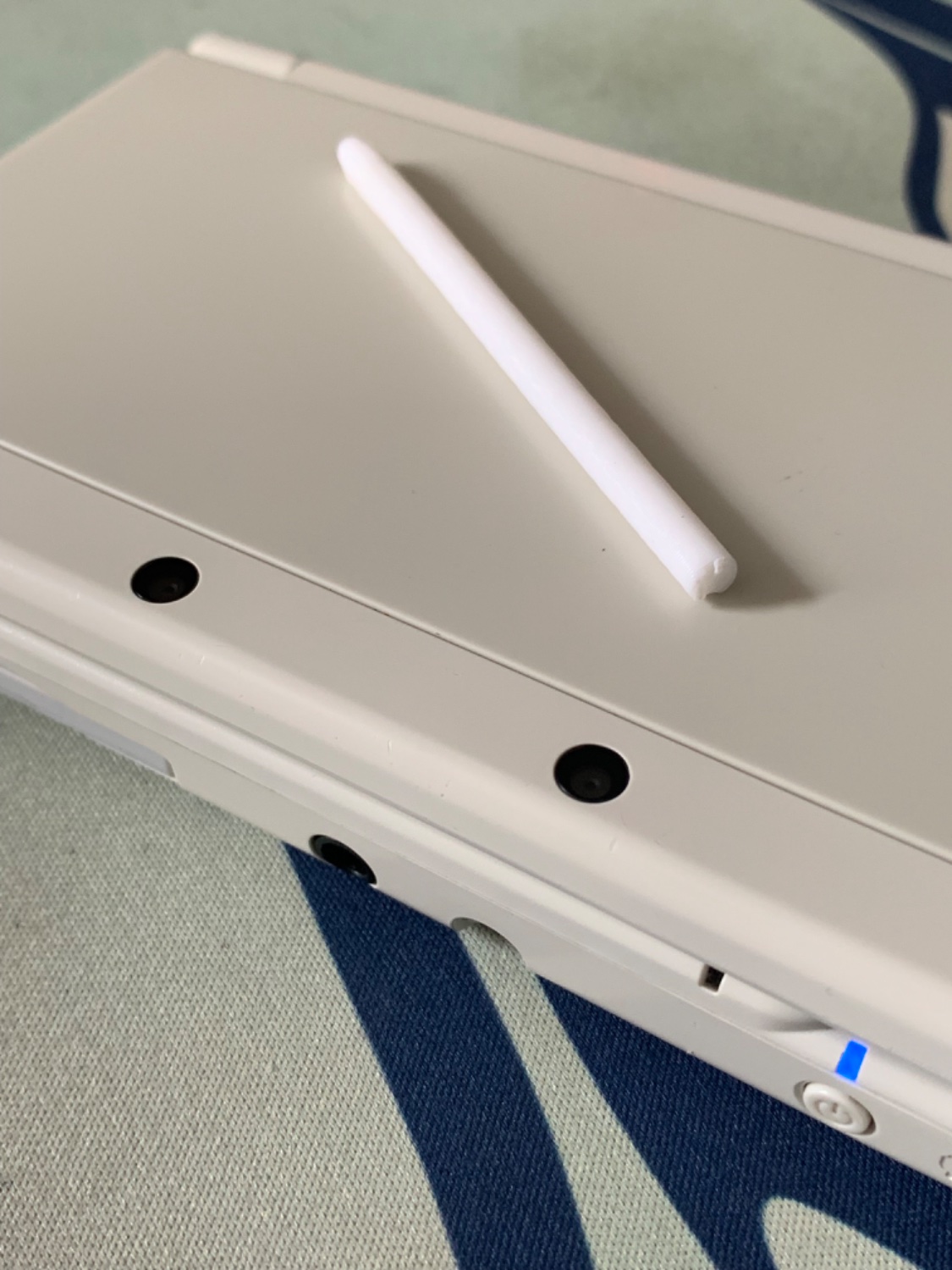

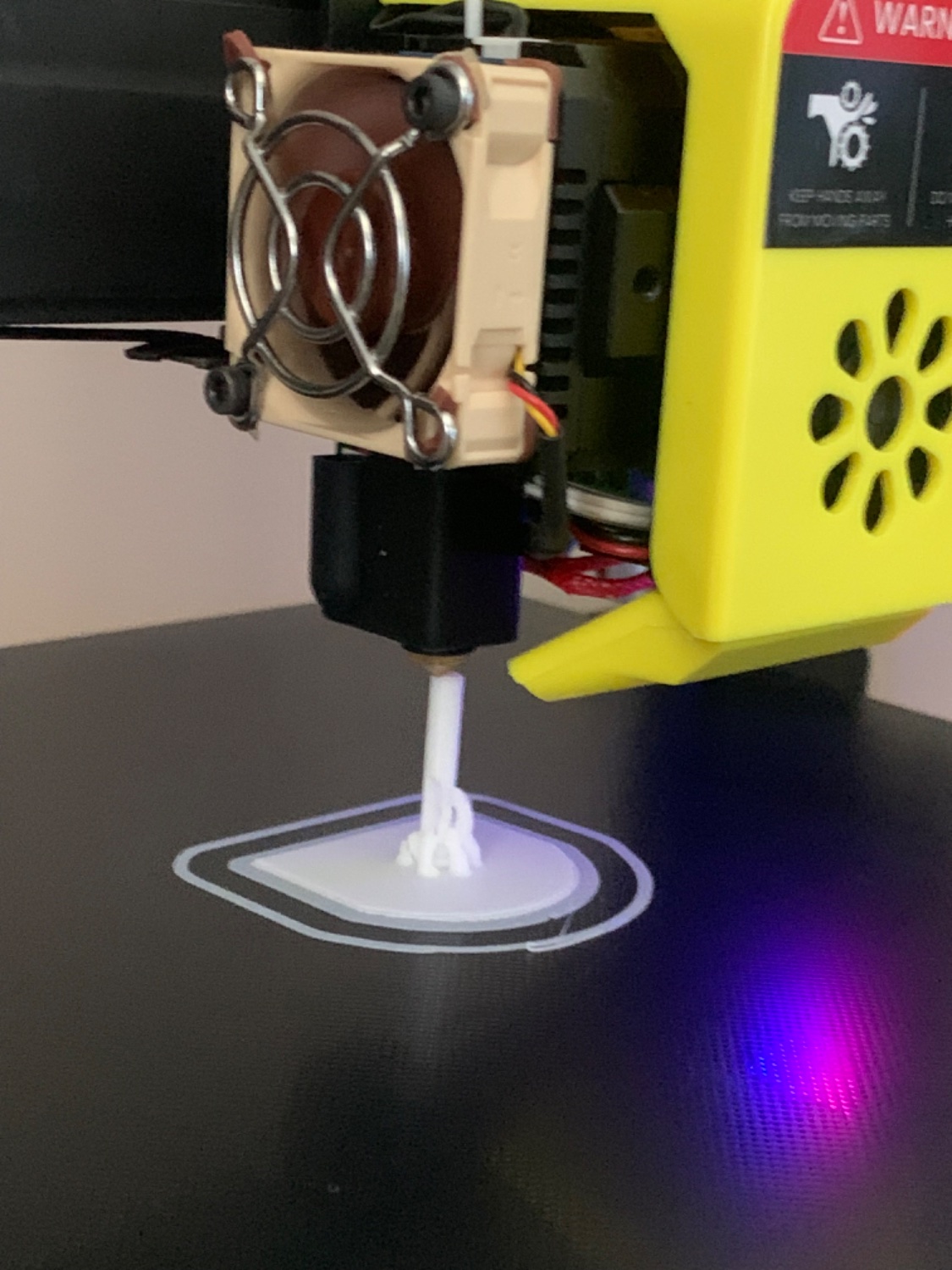
That feels like a great use-case! I don’t have a wired connection so the bandwidth usage makes it a no-go for me probably, but you’ll have to post about your experience when/if you give it a shot!