He’s talking about the electromagnetic shielding in a cable, not the contact-points. Usually a copper mesh sheath housed underneath the outer-most rubbery layer and runs around and along the entire length of the signal-carrying wires inside the cable. Works like a Faraday cage, helps prevent electromagnetic interference from large power sources, other unshielded cables running parallel, or anything else that can generate an electromagnetic field near the cable.
Very important to protect signal integrity, widely used even outside the audiophile world (although there are of course plenty of audiophile gimmicks related to shielding).
Basically, if you have a bunch of live unshielded cables bundled and zip-tied together along with your speaker wire, you’ll definitely hear it. Run the signal through an oscilloscope, and you’ll even see it
Seems like you know what you’re talking about. If I may ask, how do ferrite beads figure into this? Do those actually help protect signal, or is it less effective?
Yeah, but the comment you replied to was making a point that the conductor doesn’t really matter if there isn’t any noise present. What makes a good cable has much more to do with proper shielding, because electromagnetic interference is what will muck up your signal, not a lack of gold plated connectors


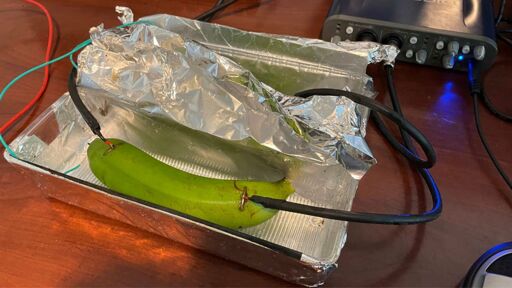
He’s talking about the electromagnetic shielding in a cable, not the contact-points. Usually a copper mesh sheath housed underneath the outer-most rubbery layer and runs around and along the entire length of the signal-carrying wires inside the cable. Works like a Faraday cage, helps prevent electromagnetic interference from large power sources, other unshielded cables running parallel, or anything else that can generate an electromagnetic field near the cable.
Very important to protect signal integrity, widely used even outside the audiophile world (although there are of course plenty of audiophile gimmicks related to shielding).
Basically, if you have a bunch of live unshielded cables bundled and zip-tied together along with your speaker wire, you’ll definitely hear it. Run the signal through an oscilloscope, and you’ll even see it
Seems like you know what you’re talking about. If I may ask, how do ferrite beads figure into this? Do those actually help protect signal, or is it less effective?
But the article is about what material is used as a conductor
Yeah, but the comment you replied to was making a point that the conductor doesn’t really matter if there isn’t any noise present. What makes a good cable has much more to do with proper shielding, because electromagnetic interference is what will muck up your signal, not a lack of gold plated connectors
The benefit of gold is that it doesn’t corrode