You’ve been hoodwinked by the fossil fuel industry lobby that has also misled entire movements (the greens) to be sympathetic when originally they were the reverse. They’ve lobbied for draconian regulations and making the political and economic costs be too high for self preservation. You know like every entrenched industry in America.
My information is coming from Australia, where nuclear energy was heavily pushed by the fossil fuel industry (mainly because it would take like 30+ years for the first power plant to be in operation allowing them to expand coal and gas power plants in the meantime.) even though several reports where made debunking these claims and showing how horrible of an idea it would be to build nuclear energy for so many reasons including it’s incredibly high price tag (these same documents showed how renewable energy is generally the cheapest.)
The only thing that matters is how clean our power is. If you are worrying about “cost” you are supporting capitalism and the fossil fuel industry. And cost to consumers is extremely misleading mostly as a result of power policy, completely divorced from cost to generate. Nuclear can absolutely be cheap, just end the subsidies on other fuel sources, allowing fuel recycling, and imprison all shareholders, congressmen, and lobbyists of the international energy cartels.
Cost still matters, especially if renewable energy is cheaper and has the same emissions.
I am not supporting capitalism by saying that cost still matters. If socialist states didn’t care about cost when building stuff they would have all dissolved long ago.
Anyway I very well may be wrong that nuclear is expensive. It is likely just expensive in Australia which is where I live and were I have done my research on (Since Aussie maga has been pushing hard for nuclear energy recently)
Nuclear power is non-intermittent and can be used pretty much anywhere. With a push for small-scale reactors, there’s a good chance for smaller places to get their own nuclear power plant, reducing stress on the national grid, and for power plants to be constructed in a much shorter timeframe.
Also, both Russia and China have floating nuclear power plants that can be transported to regions with water access on demand.
Solar and wind are cool, and quite cheap by themselves, but energy storage is a massive and expensive headache and limited placement options mean the grid should be robust enough to accommodate them with minimal power losses.
Interesting. I think it must be just Australia that would have to pay a lot for nuclear energy. I guess other countries have ways of producing it more cheaply.
besides that wind and solar will be the only option soon enough once we run out of uranium and other radioactive reserves. Unless fusion catches up.
Australia has plenty of insolation and most power consumers are packed densely enough not to worry about the upkeep of large grids.
Aside from uranium, we also have a much more plentiful thorium to use as a fission fuel. We definitely are not running out of that. But, thorium power plants can be more expensive, and byproducts of thorium cycle are less valuable, so it’s worth comparing that to running a renewables-based grid again.
I think the liberal party also made the proposal for nuclear energy really bad on purpose in order to avoid it actually having a measurable impact in reducing fossil fuel emissions in the forceable future.


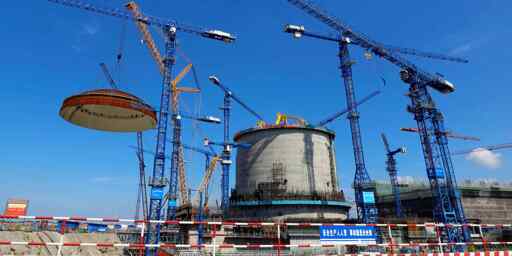
Why is nuclear power still so popular? I thought nuclear was the most expensive kind of energy when renewables were the cheapest.
You’ve been hoodwinked by the fossil fuel industry lobby that has also misled entire movements (the greens) to be sympathetic when originally they were the reverse. They’ve lobbied for draconian regulations and making the political and economic costs be too high for self preservation. You know like every entrenched industry in America.
My information is coming from Australia, where nuclear energy was heavily pushed by the fossil fuel industry (mainly because it would take like 30+ years for the first power plant to be in operation allowing them to expand coal and gas power plants in the meantime.) even though several reports where made debunking these claims and showing how horrible of an idea it would be to build nuclear energy for so many reasons including it’s incredibly high price tag (these same documents showed how renewable energy is generally the cheapest.)
Maybe this is only the case in Australia.
The only thing that matters is how clean our power is. If you are worrying about “cost” you are supporting capitalism and the fossil fuel industry. And cost to consumers is extremely misleading mostly as a result of power policy, completely divorced from cost to generate. Nuclear can absolutely be cheap, just end the subsidies on other fuel sources, allowing fuel recycling, and imprison all shareholders, congressmen, and lobbyists of the international energy cartels.
Cost still matters, especially if renewable energy is cheaper and has the same emissions.
I am not supporting capitalism by saying that cost still matters. If socialist states didn’t care about cost when building stuff they would have all dissolved long ago.
Anyway I very well may be wrong that nuclear is expensive. It is likely just expensive in Australia which is where I live and were I have done my research on (Since Aussie maga has been pushing hard for nuclear energy recently)
Nuclear power is non-intermittent and can be used pretty much anywhere. With a push for small-scale reactors, there’s a good chance for smaller places to get their own nuclear power plant, reducing stress on the national grid, and for power plants to be constructed in a much shorter timeframe.
Also, both Russia and China have floating nuclear power plants that can be transported to regions with water access on demand.
Solar and wind are cool, and quite cheap by themselves, but energy storage is a massive and expensive headache and limited placement options mean the grid should be robust enough to accommodate them with minimal power losses.
Interesting. I think it must be just Australia that would have to pay a lot for nuclear energy. I guess other countries have ways of producing it more cheaply.
besides that wind and solar will be the only option soon enough once we run out of uranium and other radioactive reserves. Unless fusion catches up.
Australia has plenty of insolation and most power consumers are packed densely enough not to worry about the upkeep of large grids.
Aside from uranium, we also have a much more plentiful thorium to use as a fission fuel. We definitely are not running out of that. But, thorium power plants can be more expensive, and byproducts of thorium cycle are less valuable, so it’s worth comparing that to running a renewables-based grid again.
I think the liberal party also made the proposal for nuclear energy really bad on purpose in order to avoid it actually having a measurable impact in reducing fossil fuel emissions in the forceable future.