They’ve also become really, really good at outsourcing R&D to other companies. This lets them outsource the expense of trial and error, and swoop down with a mature product once everyone else has paid for it.
15 years ago they famously patented, and then leaked that they were working on a fingerprint reader authentication method, and then they watched the Android manufacturers bend over backwards to implement it so they could say they did it “first.” In those early days of smartphones, being first to implement something and then claiming Apple copied it was a big deal for people who wanted to be first movers (today they are called “techbros”). Motorola Mobility ate the cost of R&D, was never able to recoup the costs, and ended up being sold to Google for their patent portfolio. By the time Apple released Touch ID two and a half years later, Motorola Mobility was a shell of itself, and ended up being sold a second time to Lenovo.
Foldable phones have been a thing for a while, and Apple just sat back and took notes on what everyone else was doing. Surface Duo killed Microsoft’s last attempt at a mobile device. Now it’s a relatively mature market (we have tri-fold phones for two years now and tablets that fold into a laptop with a bluetooth keyboard) and now Apple will swoop in and bring the rest of the market.
The money isn’t in being a first mover; it’s in making a reliable product that everyone can use. It shouldn’t be lost on anyone that Apple made a trillion dollars while OpenBSD (upstream for a lot of Apple’s ecosystem) struggled to pay its light bills.
Generally true - but multitouch was a real innovation. I’m not familiar with other manufacturers perfecting touch interfaces AND design paradigms optimized for it.
There were decades of development of touch screen devices with UI paradigms designed explicitly for touch. Notwithstanding all of the Palm and Symbian and Windows CE devices, I feel like I shouldn’t have to point out that the Nintendo DS came out in 2004, three years before the iPhone.
It’s just that these were resistive screens and stylus based…
That headset is certainly my a strange device. It definetly has that Apple magic to it. Incredibly impressive to actually use. But at that price it needs to solve a problem. It needs to justify itself.
A MacBook is a laptop. It does laptop things.
An iPhone is a smartphone. It does smartphone things.
An Apple Watch…well, I use mine for quick notifications, smarthome interactions and mobile payments but most people buy it as a fashion accessory. It’s amazing this product line survived to maturity.
Then we get to the Vision Pro which does….what? It doesn’t solve a problem. It’s the most amazing thing to serve no purpose. Apple was figuring they would throw this device out there and someone else would figure out what to do with it. Obviously that didn’t happen.


They’ve also become really, really good at outsourcing R&D to other companies. This lets them outsource the expense of trial and error, and swoop down with a mature product once everyone else has paid for it.
15 years ago they famously patented, and then leaked that they were working on a fingerprint reader authentication method, and then they watched the Android manufacturers bend over backwards to implement it so they could say they did it “first.” In those early days of smartphones, being first to implement something and then claiming Apple copied it was a big deal for people who wanted to be first movers (today they are called “techbros”). Motorola Mobility ate the cost of R&D, was never able to recoup the costs, and ended up being sold to Google for their patent portfolio. By the time Apple released Touch ID two and a half years later, Motorola Mobility was a shell of itself, and ended up being sold a second time to Lenovo.
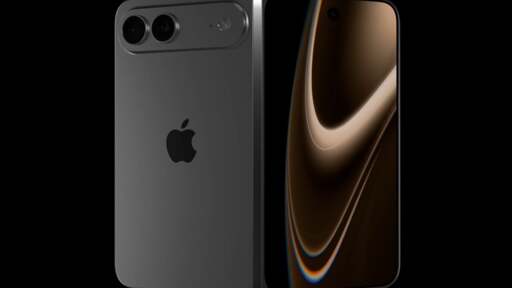
Foldable phones have been a thing for a while, and Apple just sat back and took notes on what everyone else was doing. Surface Duo killed Microsoft’s last attempt at a mobile device. Now it’s a relatively mature market (we have tri-fold phones for two years now and tablets that fold into a laptop with a bluetooth keyboard) and now Apple will swoop in and bring the rest of the market.
The money isn’t in being a first mover; it’s in making a reliable product that everyone can use. It shouldn’t be lost on anyone that Apple made a trillion dollars while OpenBSD (upstream for a lot of Apple’s ecosystem) struggled to pay its light bills.
Generally true - but multitouch was a real innovation. I’m not familiar with other manufacturers perfecting touch interfaces AND design paradigms optimized for it.
There were decades of development of touch screen devices with UI paradigms designed explicitly for touch. Notwithstanding all of the Palm and Symbian and Windows CE devices, I feel like I shouldn’t have to point out that the Nintendo DS came out in 2004, three years before the iPhone.
It’s just that these were resistive screens and stylus based…
Except for the LG Prada.
They will “swoop in” like they did with the vr headset, that was dead on arrival.
That headset is certainly my a strange device. It definetly has that Apple magic to it. Incredibly impressive to actually use. But at that price it needs to solve a problem. It needs to justify itself.
A MacBook is a laptop. It does laptop things. An iPhone is a smartphone. It does smartphone things. An Apple Watch…well, I use mine for quick notifications, smarthome interactions and mobile payments but most people buy it as a fashion accessory. It’s amazing this product line survived to maturity. Then we get to the Vision Pro which does….what? It doesn’t solve a problem. It’s the most amazing thing to serve no purpose. Apple was figuring they would throw this device out there and someone else would figure out what to do with it. Obviously that didn’t happen.